

Vinyl vs Non-Woven Wallpaper: Which is Best for Dubai Homes?
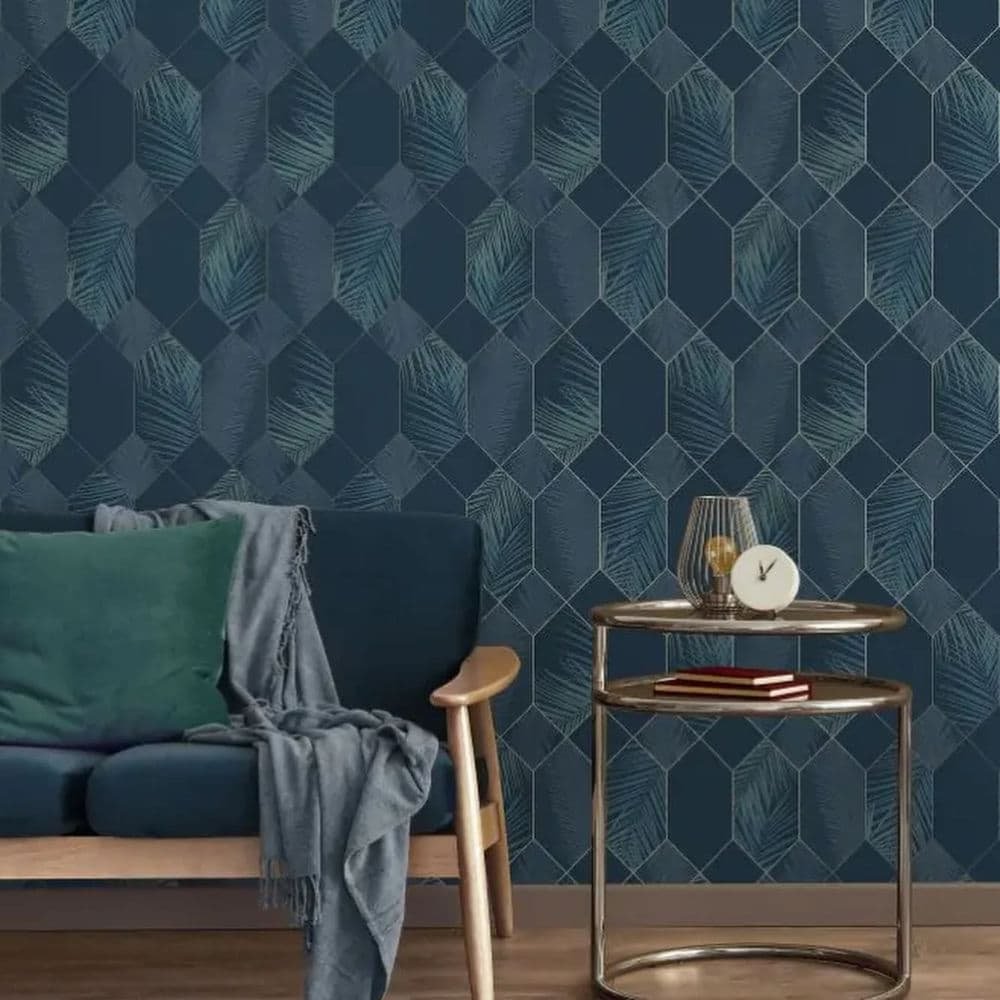
Walk into any Dubai interior showroom and you will find two wallpaper types dominating the shelves: vinyl and non-woven. Both look stunning on the wall, but their performance in Dubai's unique climate — extreme heat outdoors, cold AC air indoors, and periodic sandstorm-driven humidity spikes — differs considerably. Choosing the right type for the right room is key to a wallpaper installation that lasts.
What is Vinyl Wallpaper?
Vinyl wallpaper has a PVC (polyvinyl chloride) face bonded to a paper or fabric backing. The PVC layer makes the surface waterproof, scrubbable and highly durable. It is available in a vast range of textures — from smooth gloss to deep embossed stone effects — and is the most widely used commercial wallpaper type in the UAE.
Key properties:
- Fully washable surface — wipe down with a damp cloth
- Moisture-resistant — well-suited to kitchens, bathrooms and utility rooms
- Heavier than non-woven, requiring stronger adhesive
- Less breathable — can trap moisture behind the wall if applied over damp plaster
- Removal can be more challenging, sometimes leaving adhesive residue
What is Non-Woven Wallpaper?
Non-woven wallpaper is made from a blend of natural and synthetic fibres (polyester and cellulose), creating a material that is both dimensionally stable and breathable. The paste is applied to the wall rather than the paper, making it easier to hang, reposition and remove cleanly.
Key properties:
- Tear-resistant and easy to hang — paste the wall, not the paper
- Breathable — allows walls to "breathe," reducing risk of mould in humid corners
- Clean removal — strips off in one piece with minimal soaking
- Slightly less washable than heavy vinyl, but suitable for all living areas
- Premium non-woven varieties carry natural textures (grasscloth, linen effects) that vinyl cannot replicate
Dubai Climate: What It Means for Wallpaper Choice
Dubai's indoor environment presents two specific challenges for wallpaper:
- Temperature cycling — Walls expand and contract as rooms heat up when the AC is off and cool rapidly when it runs. Non-woven handles this better due to its dimensional stability; paper-backed vinyl can lift at seams over time.
- Humidity spikes — During summer months and post-sandstorm periods, outdoor humidity can briefly exceed 80%. Non-woven's breathability prevents moisture from becoming trapped between wall and paper.
Room-by-Room Recommendation
| Room | Recommended Type | Reason |
|---|---|---|
| Living room | Non-woven | Breathable, premium textures, easy future removal |
| Master bedroom | Non-woven | Luxurious textures, quiet and calm ambience |
| Kitchen | Heavy vinyl | Scrubbable, grease-resistant, handles steam |
| Bathroom | Heavy vinyl | Waterproof surface essential in high-humidity zone |
| Kids' room | Vinyl or washable non-woven | Needs to handle marks and scuffs |
| Home office | Non-woven | Feature wall in subtle texture adds professionalism |
The Grasscloth and 3D Options
Beyond the standard vinyl vs non-woven debate, Dubai homeowners are increasingly choosing grasscloth wallpapers (woven natural fibres on a non-woven backing) for feature walls in living rooms and master suites. These add unrivalled texture and warmth but require careful application in lower-humidity rooms.
3D textured wallpapers — typically heavy vinyl with deep embossing — are ideal for hallways, feature walls behind headboards and TV feature walls where dramatic visual impact is the goal.
Professional Installation Matters
Even the best wallpaper fails if the wall is not properly prepared. In Dubai, new builds sometimes have plaster that is still slightly alkaline — this must be treated before application. Seam matching on large-pattern non-woven papers requires experience to avoid wastage.
The Rex Line team prepares walls, cuts patterns precisely and applies the correct adhesive for each wallpaper type. We carry over 600 wallpaper collections and offer free home visits so you can see samples against your actual walls and lighting before committing.